Let's DigitALL: Let's Dig Deep into the Digital Divide
As we explore the depths of the digital gap and raise awareness for a better tomorrow, let's DigitALL.
In today's rapidly evolving digital landscape, access to technology and the internet has become increasingly essential for participation in modern society. However, not everyone enjoys equal access to these digital resources, leading to what is known as the digital divide.
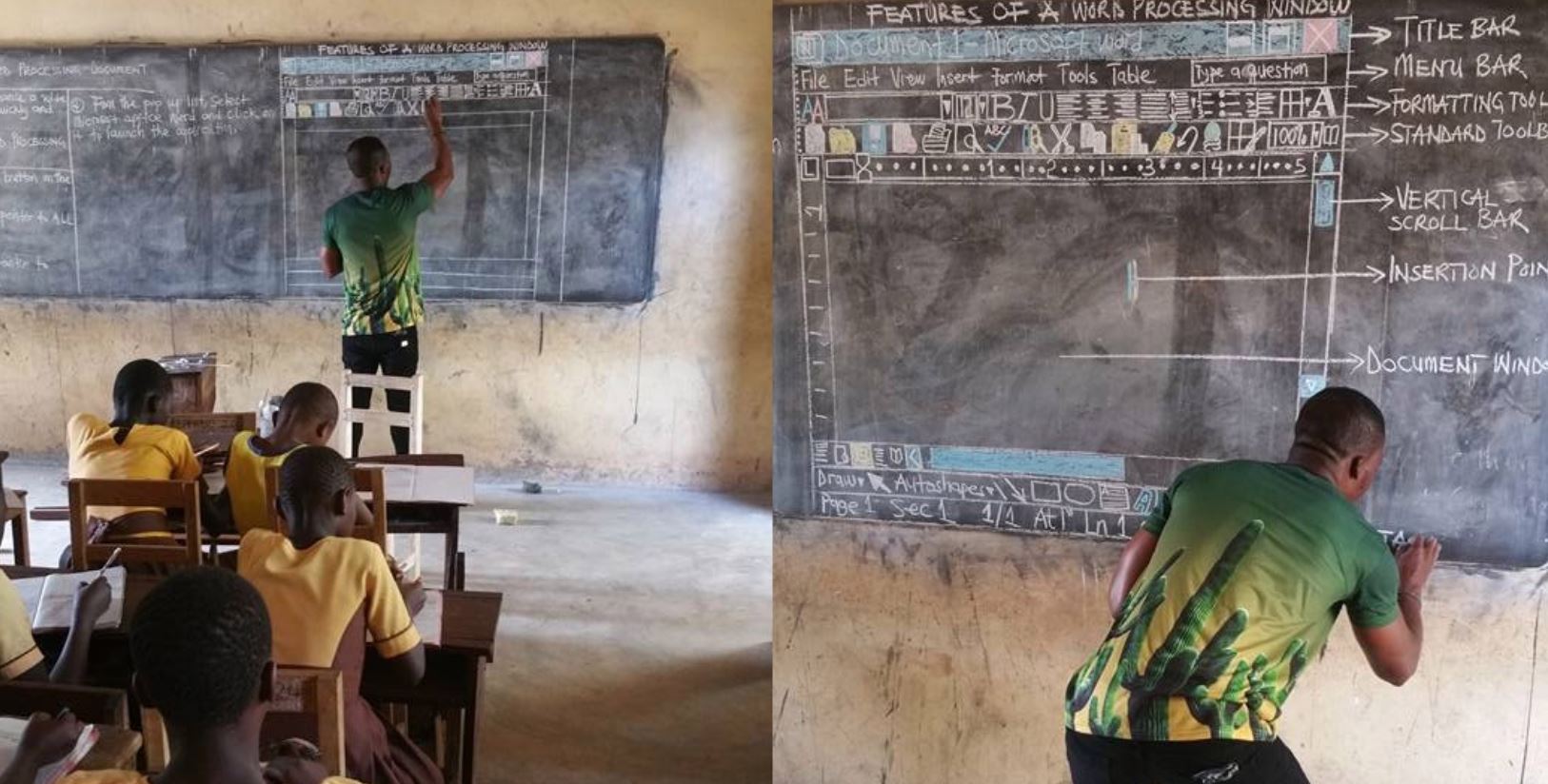
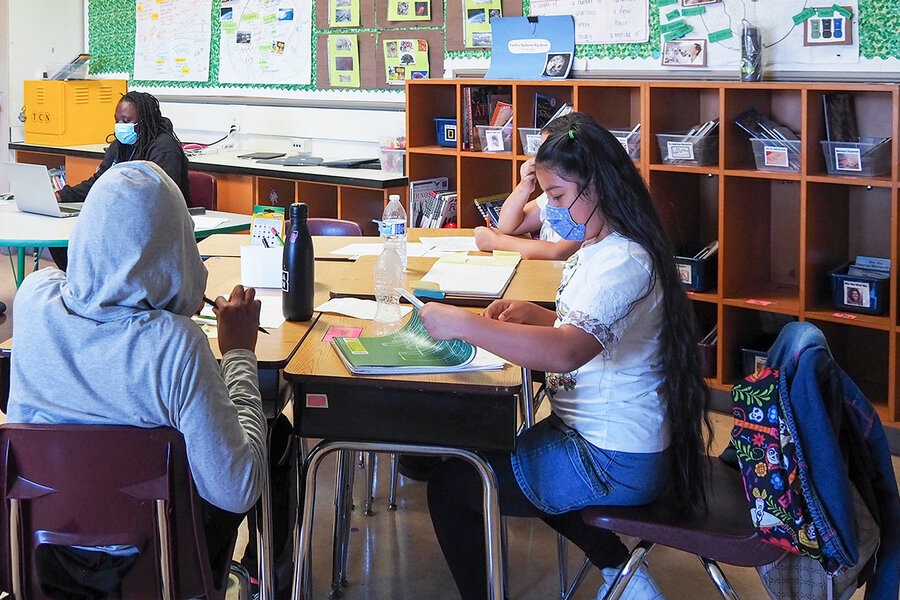
The digital divide refers to the gap between individuals and communities who have access to digital technologies and the internet, and those who do not. In essence, it represents the disparities in technological infrastructure, resources, and skills that exist within society. While the digital revolution has brought about numerous benefits, including increased connectivity, access to information, and opportunities for innovation, it has also underscored the stark inequalities that persist in our world.
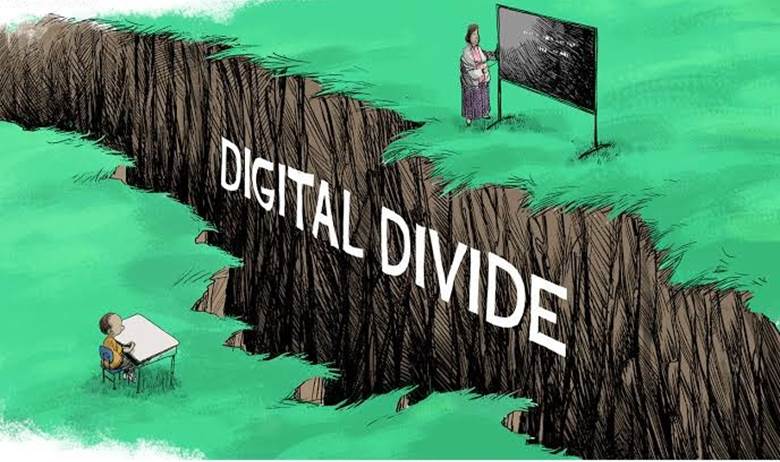
At its core, the digital divide encompasses various dimensions, including access to technology, usage patterns, digital literacy, and socioeconomic factors. These disparities can manifest in different ways, such as limited access to high-speed internet in rural areas, unequal access to educational resources and job opportunities, and disparities in digital skills and knowledge among different demographic groups. Addressing the digital divide is crucial for promoting social inclusion, economic development, and equitable access to opportunities.
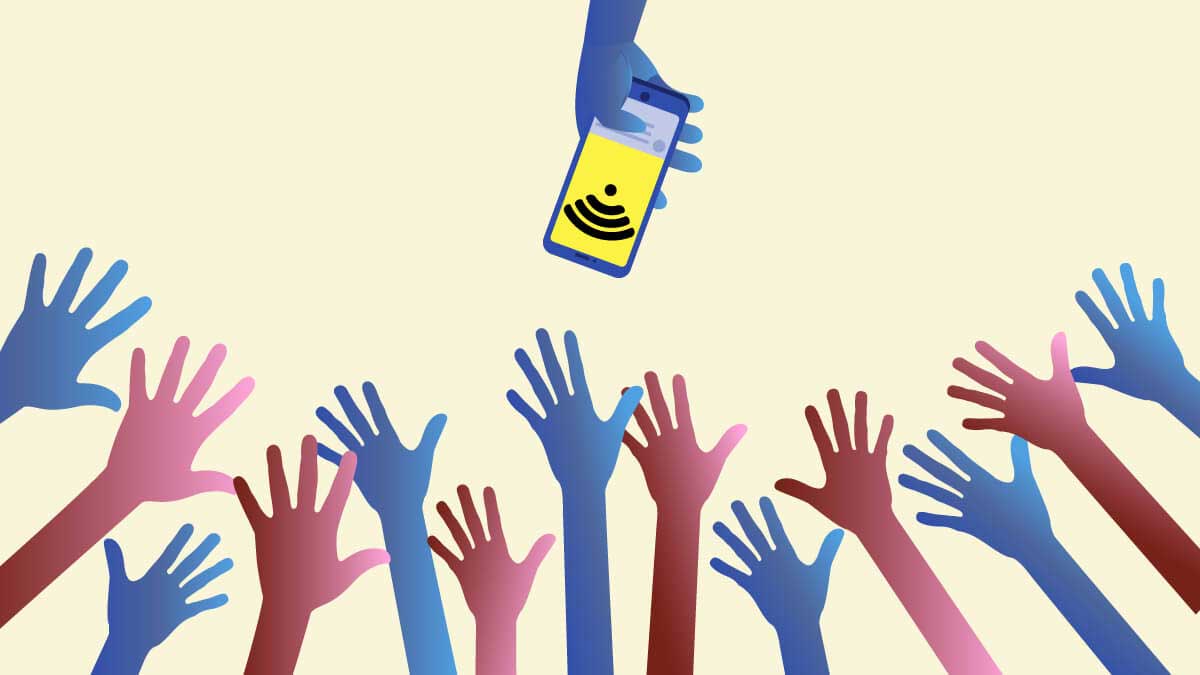
By bridging these gaps and ensuring that everyone has access to the tools and resources needed to thrive in the digital age, we can create a more inclusive and equitable society. In the following sections, we will explore the different dimensions of the digital divide in more detail, examine its causes and implications, and highlight efforts to address this pressing issue. Through collaborative action and innovative solutions, we can work towards a future where everyone can fully participate in and benefit from the digital revolution.

Overcoming the digital divide requires concerted efforts from various stakeholders, including governments, nonprofits, private sector organizations, and communities.

Expand Broadband Infrastructure:
Invest in infrastructure development to expand access to high-speed internet in rural and underserved areas. This includes deploying broadband networks, improving mobile coverage, and leveraging emerging technologies like satellite internet.

Provide Subsidies and Affordability Programs:
Implement subsidies and affordability programs to make internet access more affordable for low-income individuals and families. This can include discounted internet plans, subsidized devices, and support for digital literacy training.

Digital Literacy and Skills Development:
Provide digital literacy training and skills development programs to empower individuals with the knowledge and skills needed to effectively use digital technologies. These programs should be tailored to the needs of different demographics and include topics such as basic computer skills, internet safety, and online communication.

Encourage Public-Private Partnerships:
Foster collaboration between governments, businesses, and nonprofits to develop innovative solutions for bridging the digital divide. Public-private partnerships can help leverage resources, expertise, and technology to reach underserved communities more effectively.

Improve Access to Digital Services:
Make essential services more accessible through digital channels, including healthcare, government services, banking, and education. This can involve developing user-friendly digital platforms, providing technical support for users, and ensuring inclusivity in design.